

13
Oct
4 benefits of myofunctional therapy to support airway health
Myofunctional therapy may be the solution for obstructive sleep apnea and concerns associated with this condition, including chronic fatigue, headaches, and mood-related changes. There are many reasons this treatment may be a suitable and appealing option for children and adults alike. The office of Mark A. Cruz DDS, Inc in Mission Viejo, California, has highlighted four of those benefits below.
1 – Not invasive
Special exercises are fundamental to myofunctional therapy. These exercises encourage correct tongue posture and retrain and strengthen weak facial muscles. The exercises themselves are gentle and completely safe. There are no procedures involved that require needles, cutting, anesthesia, recovery, or downtime. This makes myofunctional therapy an appropriate option for children and adults who may be precluded from other treatments due to factors such as their general health/comorbidities; however, patient compliance is essential. There must be a commitment to consistently and properly practice the exercises provided to you or your child.
Before and After Actual Patient Results

2 – Drug-free
Myofunctional therapy does not rely on medications to treat conditions like Temporomandibular Joint (TMJ) Disorders. Instead of providing temporary relief with pain meds, myofunctional therapy resolves the underlying cause of such symptoms through non-invasive techniques. It may also be used to reduce patients’ reliance on pain relief medications. This approach avoids some of the side effects associated with medications and also makes it a potentially safe alternative for many different types of patients.

3 – Appropriate for CPAP users
A weak tongue can contribute to obstructive sleep apnea. By strengthening the tongue and other facial muscles, myofunctional therapy can be an effective complement to CPAP therapy. Patient compliance is a common barrier to consistent CPAP use, but exercises that target muscle tone can positively affect tolerance for the machine. Lower pressure may be needed to keep the airway open. The changes in muscle tone and tongue posture associated with myofunctional exercises also promote a strong lip seal, which increases the effectiveness and comfort of CPAP therapy. For some patients, myofunctional therapy may even be an alternative to CPAP.
We are here to help
Call: (949) 661-1006 OR Request An Appointment Today
4 – Affordable
Invasive treatments, such as surgeries to reposition or reshape bone and soft tissue, generally cost more than non-invasive therapies. Additionally, by actively reeducating the muscles, many potentially costly complications can be avoided. Sleep apnea, for instance, is associated with an increased risk of developing serious systemic diseases, including heart disease and metabolic disorders. These conditions can lead to the need for costly hospital stays and treatments. As another example, TMJ Disorders may cause severe joint damage that largely requires extensive (and potentially expensive) surgeries or even joint replacement.
These are just some of the benefits and ways that myofunctional therapy can support airway health and overall wellness. To learn more, schedule an appointment at the office of Mark A. Cruz DDS, Inc. Call (949) 661-1006 to speak with a member of our team in Mission Viejo, CA today.
Share this Article
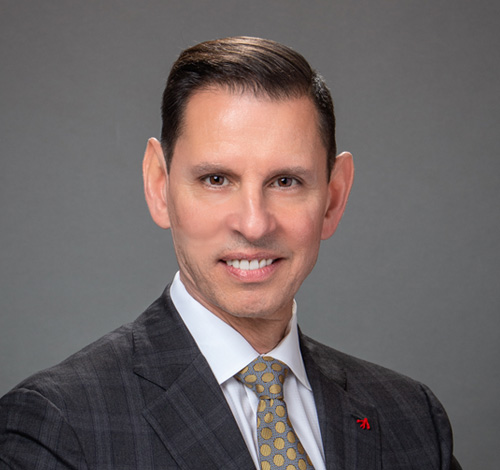
Dr. Mark A Cruz
Mark A Cruz graduated from the UCLA School of Dentistry in 1986 and started a dental practice in Monarch Beach, CA upon graduation. He has lectured nationally and internationally and is a member of various dental organizations. He was a part-time lecturer at UCLA and a member of the faculty group practice and was past assistant director of the UCLA Center for Esthetic Dentistry. He has served on the National Institute of Health/NIDCR (National Institute of Dental & Craniofacial Research) Grant review Committee in Washington D.C. as well as on the editorial board for the Journal of Evidence-Based Dental Practice (Elsevier) and is currently serving on the DSMB (data safety management board) for the NPBRN (national practice-based research network.
Success Stories
What Our Patients Say

A patient of Dr. Cruz

David Burnette Testimonial for Dr. Cruz

Laura Green Testimonial for Dr. Cruz

Maggie Baumann Testimonial for Dr. Cruz

Judy DeVare Testimonial for Dr. Cruz

Ann Allen Testimonial for Dr. Cruz

Angelica Testimonial for Dr. Cruz

Ed Holtzen Testimonial for Dr. Cruz

Anja Robbins Testimonial for Dr. Cruz
