

18
Sep
7 Ways Adult Myofunctional Therapy in Mission Viejo, California Can Support Better Breathing, Sleep, and Oral Function
How you breathe, swallow, and position your tongue throughout the day can influence more than you might realize. When oral and facial muscles are not functioning efficiently, some adults experience mouth breathing, disrupted sleep, jaw tension, swallowing difficulties, or concerns that affect dental treatment. At Mark A. Cruz, DDS, Inc. in Mission Viejo, California, patients benefit from an airway-focused approach that considers the relationship between breathing, oral function, and dental health. Adult myofunctional therapy uses targeted exercises and habit retraining to encourage healthier muscle patterns and support long-term function.
1. Encourages healthier nasal breathing instead of habitual mouth breathing
Myofunctional therapy can help patients become more aware of breathing patterns and retrain habits that contribute to chronic mouth breathing when nasal breathing is appropriate. Establishing healthier oral posture, including keeping the lips comfortably closed and the tongue properly positioned, can support more efficient breathing patterns.
Before and After Actual Patient Results

2. Supports better sleep and may help address snoring concerns
Mouth breathing and improper tongue posture can be associated with snoring and disrupted sleep. Myofunctional exercises are designed to strengthen and coordinate muscles of the tongue, lips, and surrounding structures. For appropriately evaluated patients, therapy may be incorporated into a broader plan addressing airway and sleep-related concerns.

3. Improves tongue posture and oral muscle balance for a more stable bite
The tongue should rest in an appropriate position when you are not eating or speaking. Persistent pressure from an improper resting position or swallowing pattern may influence the teeth and bite. Myofunctional therapy focuses on retraining these patterns to encourage balanced oral muscle function.
We are here to help
Call: (949) 661-1006 OR Request An Appointment Today
4. Enhances orthodontic and dental treatment outcomes
Correcting tooth position without addressing underlying oral habits can leave forces that continue to act on the teeth. At Mark A. Cruz, DDS, Inc., an airway-focused evaluation can identify functional patterns that may influence dental treatment. When appropriate, myofunctional therapy can complement orthodontic or other dental care by encouraging healthier tongue and muscle habits.
5. Helps ease tension involving the jaw, face, and neck
Improper oral posture and muscle patterns may contribute to excess strain in the jaw and surrounding areas for some patients. By encouraging more balanced function of the tongue and facial muscles, myofunctional therapy may help reduce unnecessary muscle tension. The underlying cause of persistent discomfort should always be properly evaluated.
6. Makes chewing, swallowing, and speaking more efficient and comfortable
Myofunctional therapy is not solely about breathing. Exercises can also address the coordinated movements needed for chewing and swallowing. Adults with inefficient swallowing patterns or certain speech-related concerns may benefit from improving how the tongue, lips, and facial muscles work together.
7. Contributes to facial balance and greater confidence in your smile
Healthy oral posture supports the way the lips, tongue, jaws, and facial muscles function together. Although myofunctional therapy is primarily functional rather than cosmetic, improving these patterns can complement dental treatment and help patients feel more comfortable and confident with their smiles.
If mouth breathing, snoring, tongue posture, or other oral function concerns are affecting your daily life, an individualized evaluation can help identify contributing factors. Mark A. Cruz, DDS, Inc. in Mission Viejo, California, takes an airway-focused approach to understanding how breathing and oral function relate to dental health. Call (949) 661-1006 today to schedule an evaluation and learn whether adult myofunctional therapy may be appropriate for you.
Share this Article
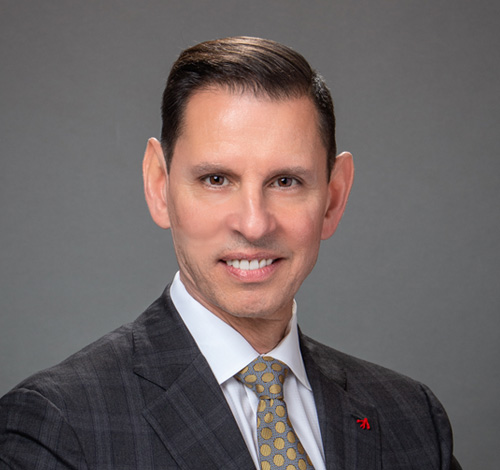
Dr. Mark A Cruz
Mark A Cruz graduated from the UCLA School of Dentistry in 1986 and started a dental practice in Monarch Beach, CA upon graduation. He has lectured nationally and internationally and is a member of various dental organizations. He was a part-time lecturer at UCLA and a member of the faculty group practice and was past assistant director of the UCLA Center for Esthetic Dentistry. He has served on the National Institute of Health/NIDCR (National Institute of Dental & Craniofacial Research) Grant review Committee in Washington D.C. as well as on the editorial board for the Journal of Evidence-Based Dental Practice (Elsevier) and is currently serving on the DSMB (data safety management board) for the NPBRN (national practice-based research network.
Success Stories
What Our Patients Say

A patient of Dr. Cruz

David Burnette Testimonial for Dr. Cruz

Laura Green Testimonial for Dr. Cruz

Maggie Baumann Testimonial for Dr. Cruz

Judy DeVare Testimonial for Dr. Cruz

Ann Allen Testimonial for Dr. Cruz

Angelica Testimonial for Dr. Cruz

Ed Holtzen Testimonial for Dr. Cruz

Anja Robbins Testimonial for Dr. Cruz
