

28
Aug
4 Pros and Cons of Myobrace: Considerations Before Starting Treatment
Myobrace is distinctive from conventional orthodontic treatments, such as braces. It is best described as an “early intervention” orthodontic therapy. It uses special appliances and exercises to guide healthy jaw and facial development and to correct poor oral habits. In doing so, Mark A. Cruz DDS, Inc. can resolve the contributing factors to crooked teeth and jaw issues. There are unique considerations associated with all treatments available at our office in Mission Viejo, California. We have highlighted four key pros and cons associated with Myobrace treatment, and look forward to discussing these and other factors during an evaluation.
1 – Pro: Focuses on root causes, not just symptoms
Myobrace focuses on identifying and treating underlying oral habits and muscle function. For instance, habits like unhealthy mouth breathing, tongue-thrusting, incorrect tongue position, and poor lip seal can lead to an underdeveloped jaw and crooked teeth. The Myobrace system is designed to retrain these habits and improve muscle function. Myobrace appliances also gently encourage correct tongue posture, nasal breathing, and proper swallowing patterns. These approaches address the “why” behind crooked teeth, whereas conventional orthodontic treatments only move the teeth without addressing the root causes of such misalignment.
2 – Con: Patient compliance is important for treatment success
Unlike braces that are fixed to the teeth and can only be removed by a dentist, Myobrace appliances are removable and must be worn as instructed by Dr. Cruz. Additionally, patients must be committed to a program of specific exercises or activities designed to retrain oral musculature and habits. Parents and caregivers must be prepared to help children incorporate these appliances and exercises into their day-to-day routines. Kids may need reminders and supervision to ensure that the appliances are being worn consistently and properly, and they are adhering to any other requirements that correspond with their unique treatment plan.
3 – Pro: May reduce the need for future/extensive treatment
By improving jaw growth and supporting good oral habits, patients may have less crowding and bite problems, and a more favorable dental arch as they get older. As a result, these patients may not require complex or involved orthodontic or reconstructive dental work later in life. Little to no adjustments may be required in the future. Of course, specific outcomes can vary depending on things like your child’s “starting point” and how well they adhere to the therapy.
We are here to help
Call: (949) 661-1006 OR Request An Appointment Today
4 – Con: Not every patient is a good fit for Myobrace
No treatment or intervention at our office in Mission Viejo, CA is a universal solution. Dr. Cruz applies his advanced knowledge and technologies to assess bite problems, crowding patterns, and skeletal discrepancies. Based on what he finds during this evaluation, Myobrace or other alternatives may be recommended. He also accounts for factors like the patient’s age and growth stage, because there may be more limited potential for changes when facial growth is mostly complete. However, older pediatric patients, teens, and adults are not precluded from treatment. In fact, it can be a complement for CPAP users to comfortably manage sleep apnea, among other potential benefits and applications.
Additionally, Myobrace may be incorporated into a broader plan. No two plans are exactly alike, and Dr. Cruz personalizes every aspect of treatment to your specific needs. Adjustments can also be made as treatment progresses.
To find out if this approach may be right for you or your child, schedule a consultation at Mark A. Cruz DDS, Inc. Call (949) 661-1006 today.
Share this Article
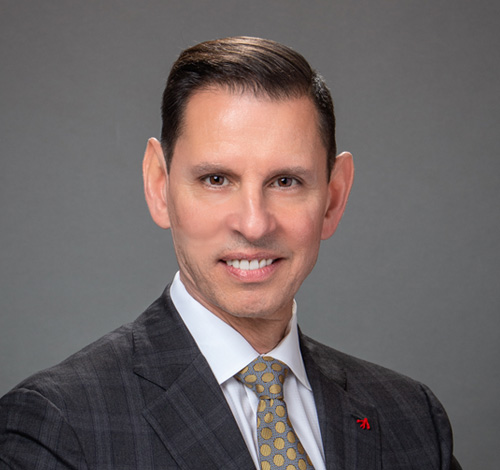
Dr. Mark A Cruz
Mark A Cruz graduated from the UCLA School of Dentistry in 1986 and started a dental practice in Monarch Beach, CA upon graduation. He has lectured nationally and internationally and is a member of various dental organizations. He was a part-time lecturer at UCLA and a member of the faculty group practice and was past assistant director of the UCLA Center for Esthetic Dentistry. He has served on the National Institute of Health/NIDCR (National Institute of Dental & Craniofacial Research) Grant review Committee in Washington D.C. as well as on the editorial board for the Journal of Evidence-Based Dental Practice (Elsevier) and is currently serving on the DSMB (data safety management board) for the NPBRN (national practice-based research network.
Success Stories
What Our Patients Say


A patient of Dr. Cruz

David Burnette Testimonial for Dr. Cruz

Laura Green Testimonial for Dr. Cruz

Maggie Baumann Testimonial for Dr. Cruz

Judy DeVare Testimonial for Dr. Cruz

Ann Allen Testimonial for Dr. Cruz

Angelica Testimonial for Dr. Cruz

Ed Holtzen Testimonial for Dr. Cruz

Anja Robbins Testimonial for Dr. Cruz
