

02
Oct
ALF appliances: A discreet way to support straight teeth, airway health
The office of Mark A. Cruz DDS, Inc is distinctive from other dental practices in and around Mission Viejo, California. Due to our team’s extensive knowledge of conditions that affect airway health, we provide a vast range of advanced solutions to support overall wellness. Solutions such as ALF appliance therapy transcend standard dentistry services.
How does an ALF appliance support airway health?
ALF, or Advanced Lightwire Functional, refers to a category of oral appliances. Each ALF appliance is customized to the patient’s unique structural- and bite-oriented needs. Issues such as a narrow palate and underdeveloped jaw may be at the root of airway-related problems that affect how patients breathe, look, and feel. These devices generally use flexible and lightweight wires to apply the continual yet gentle force that expands the jaw and promotes correct tongue posture. This process supports healthy nasal breathing and uninterrupted airflow to treat the underlying cause of conditions like obstructive sleep apnea.
Are ALF appliances an alternative to braces?
These devices may be an alternative to conventional orthodontics for appropriate patients. Braces use bulkier brackets and wires to reposition the teeth. ALF appliances are light and gentle, and guide healthy jaw development. By creating space in the jaw, this process encourages the teeth to shift into their proper positions. Our dentists may recommend it as an early intervention for children whose jaws are still growing. One way to think of these differences is that braces are designed to correct symptoms of underlying structural issues (like crowding), whereas ALF appliances correct the causes of misaligned teeth.
Before and After Actual Patient Results

Is an ALF appliance noticeable?
No. ALF devices are designed differently from conventional metal braces. The wire is applied to the back or lingual side of each tooth. This is in contrast to braces that feature visible brackets and wires applied to the front surfaces of teeth.
ALF Appliance Dr. Naomi Hillel

If your child or adolescent suffers from crooked teeth then ALF orthodontics might be just the solution. Symptoms of poor teeth/jaw relationships could include snoring, improper bite, thumb sucking, and even breathing congestion. Instead of hefty braces or retainers, ALF orthodontic technology which stands for alternative light wire forces introduces a corrective option via tongue positioning in the mouth that carries an integral aspect in facial growth and formation into adulthood.
Braces and orthodontic treatment is necessary to straighten crooked teeth in school-aged children and adolescents. However, if we take a minute to consider why children have crooked teeth or poor jaw relationships and address the cause of mal-infusion we can help children get on to the path of correct facial growth patterns. Doctor Naomi Hillel explains the method of ALF orthodontics, and how it can be utilized in people of all ages as well as the impact of correct breathing swallowing, and chewing on children’s facial growth and development. Now we will learn some of the habits that children have that cause their teeth to be crooked as teens and adults. “It may seem unimportant but the position for a child’s tongue determines how the whole face will grow. Normally the tongue rests up in the palate during breathing and swallowing and acts as a natural pallet expander. If a child has a low resting tongue he is prone to mouth breathing congestion snoring, restless sleep, or sleep apnea and is likely to have or have had habits such as thumb or pacifier sucking or lip licking or biting. These children often have underdeveloped jaws and crowding of adult indentation.”
Dr. Hillel explains how ALF orthodontics works in relation to a child’s facial growth.
ALF stands for alternative light wire forces – an orthodontic method taught at the ALF institute by doctors Jim Bronson and Tasha Demos and the integral part of ALF treatment is to address improper tongue position a frequent cause by lack of jaw growth and improper bite. A very thin flexible wire is placed on each jaw which exerts a gentle pressure. The wires on the inside are not visible and it is adjusted monthly unlike the palatal expander that is used in conventional orthodontics the ALF leaves the palate open so the child can integrate tongue function with the appliance in the mouth. The child also sees a Miofunctional therapist to learn correct breathing and oral muscular patterns. In addition there are periodic visits to a cranial osteopath who releases any cranial strain patterns thus enabling the bones of the skull to grow harmoniously along with a correctly growing jaw. Finally retainers are not necessary because the retrained musculature holds the teeth in place as nature intended”.
In the short amount of time that we began treatment we have seen alt of big improvements in not only the alignment of his teeth but how he is functioning during the day because he is breathing more efficiently and sleeping better at night. We have also noticed big changes in his gait when walking and running and in his posture when he is standing which is fantastic.
Doctor Naomi Hillel and her highly trained team are guiding our child’s facial growth from a healthy airway.
Are ALF appliances used with other early intervention services?
There are many complementary services at our practice. Services such as myofunctional therapy may be incorporated in our pediatric patients’ personalized treatment plans. Myofunctional therapy involves using special exercises to “retrain” a child’s breathing and oral muscular patterns. By facilitating changes, such as strengthening weak facial muscles, healthy oral posture is encouraged. This approach has far-reaching implications for your child’s health by improving their breathing, chewing, swallowing, speech, sleep quality, comfort, and other functions essential to healthy development and overall wellness.
We are here to help
Call: (949) 661-1006 OR Request An Appointment Today
Do ALF devices need to be adjusted like braces?
Yes. To support the expansion process and other changes, the wires must be adjusted at different phases throughout treatment. These adjustments help to gradually guide jaw development and reshape bone.
Our team at Mark A. Cruz DDS, Inc welcomes the opportunity to answer your questions and to provide more information about treatment options for you or your child. Call (949) 661-1006 to schedule an appointment at our office in Mission Viejo, CA today.
Share this Article
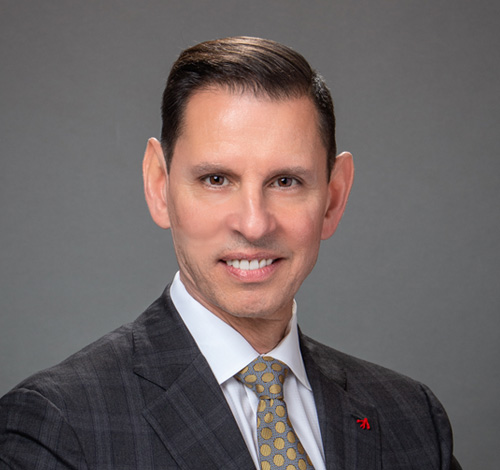
Dr. Mark A Cruz
Mark A Cruz graduated from the UCLA School of Dentistry in 1986 and started a dental practice in Monarch Beach, CA upon graduation. He has lectured nationally and internationally and is a member of various dental organizations. He was a part-time lecturer at UCLA and a member of the faculty group practice and was past assistant director of the UCLA Center for Esthetic Dentistry. He has served on the National Institute of Health/NIDCR (National Institute of Dental & Craniofacial Research) Grant review Committee in Washington D.C. as well as on the editorial board for the Journal of Evidence-Based Dental Practice (Elsevier) and is currently serving on the DSMB (data safety management board) for the NPBRN (national practice-based research network.
Success Stories
What Our Patients Say


A patient of Dr. Cruz

David Burnette Testimonial for Dr. Cruz

Laura Green Testimonial for Dr. Cruz

Maggie Baumann Testimonial for Dr. Cruz

Judy DeVare Testimonial for Dr. Cruz

Ann Allen Testimonial for Dr. Cruz

Angelica Testimonial for Dr. Cruz

Ed Holtzen Testimonial for Dr. Cruz

Anja Robbins Testimonial for Dr. Cruz
